
Lupus and the Change of Seasons

If you live with lupus, you may notice that your body seems to know when the seasons are changing before the calendar does. A stretch of hot summer days, the first cold snap of fall or longer hours of spring sunshine may coincide with changes in fatigue, joint pain, skin symptoms or overall well-being.
Seasonal shifts affect lupus through changes in ultraviolet (UV) light, temperature, humidity and barometric pressure. Research on seasonal lupus activity has produced mixed results but there is strong evidence that UV exposure can worsen symptoms in people who are photosensitive and some research has found seasonal differences in certain lupus manifestations.
Understanding your own seasonal patterns can help you prepare for changes and identify potential triggers.
Fall 🍁: Adjusting to Cooler Days
Fall can be a welcome relief for people who struggle with summer heat and intense sunlight. But changing temperatures can bring challenges of their own.
Cool mornings followed by warmer afternoons can make it difficult to dress comfortably and people who experience joint pain or stiffness may notice changes as temperatures fluctuate. For people with Raynaud’s phenomenon, which can occur with lupus, colder temperatures can cause the blood vessels in the fingers and toes to narrow, resulting in color changes, numbness, tingling or pain.
Fall also marks the beginning of respiratory virus season. This is particularly important for people taking medications that suppress the immune system.
As the weather changes, consider dressing in layers, keeping gloves available for unexpectedly cold days and maintaining healthy sleep and activity routines. Talk with your healthcare provider about recommended seasonal vaccines and any precautions that may apply to your medications.
Winter ❄️: Cold, Fatigue and Less Daylight
Winter can present several challenges for people living with lupus. Cold weather may make painful or stiff joints feel more noticeable, while snow, ice and shorter days can make it harder to remain physically active. Staying indoors more often can also disrupt routines that help manage fatigue and overall well-being.
People with Raynaud’s may find winter especially difficult. Keeping the entire body warm, not just the hands and feet, can help reduce exposure to one of the most common Raynaud’s triggers.
Shorter days can also affect mood and energy. Fatigue is already one of the most common symptoms of lupus, so changes in sleep, activity and mood during the winter months can add another layer to managing the disease.
Gentle indoor activities such as stretching, walking or other low-impact exercises may help maintain mobility. If you are concerned about vitamin D during months with limited sunlight, talk with your healthcare provider before starting a supplement rather than increasing unprotected sun exposure.
Spring 🌸: More Sunshine Means More UV Exposure
Warmer temperatures may feel like a relief after winter, but spring also means longer days and stronger UV exposure.
Photosensitivity is common in lupus. Research suggests that approximately 70% of people with lupus find that UV exposure from sunlight or certain indoor lighting makes their symptoms worse. UV exposure can cause or worsen skin rashes and lesions, but its effects aren’t necessarily limited to the skin. Some people experience increased fatigue, joint pain, fever or other lupus symptoms following UV exposure. Photosensitive rashes can occur more frequently during spring and summer.
That makes spring a good time to refresh your sun-protection routine. Check expiration dates on sunscreen, keep mineral sunscreen in places where you’ll remember to use it and bring protective clothing, sunglasses and a hat when spending extended time outside.
Remember that UV exposure can happen on cool or cloudy days, too. Temperature is not a reliable measure of UV intensity.
Summer ☀️: Heat, Sun and Photosensitivity
Summer can be particularly challenging for people with photosensitive lupus.
UV radiation can trigger lupus-related skin problems and may contribute to systemic symptoms in some people. Research has consistently identified photosensitivity as one of the clearest seasonal patterns associated with lupus.
Sun protection should therefore be part of everyday lupus management, not just something reserved for the beach. Protective clothing, shade and broad-spectrum sunscreen can help reduce UV exposure. It’s also important to remember that UV radiation can reach you during ordinary activities such as driving, gardening, attending outdoor events or sitting near certain windows.
Hot weather can create additional challenges. Dehydration, disrupted sleep and the extra energy required to function in extreme heat can make an already difficult day feel even harder. Plan outdoor activities around the cooler parts of the day when possible, take breaks in air-conditioned or shaded spaces and stay adequately hydrated unless your healthcare provider has instructed you to limit fluids.
Is the Weather Really Causing a Lupus Flare?
It can be tempting to blame every change in symptoms on the weather, but lupus is more complicated than that.
Studies haven’t established a universal seasonal pattern for overall lupus disease activity. One study that followed people with SLE for four years found a seasonal pattern for photosensitivity but not for overall disease activity or most other manifestations. A larger study later identified seasonal variation in photosensitive rash and arthritis activity.
In other words, your experience may not look like someone else’s.
What matters is recognizing your patterns.
Consider keeping a symptom journal throughout the year. Record changes in fatigue, joint pain, rashes, sleep and other symptoms along with potential triggers such as sun exposure, temperature changes, infections, stress and changes in activity. Over time, you may begin to recognize patterns that can help you and your healthcare team manage your lupus more effectively.
Preparing for Every Season
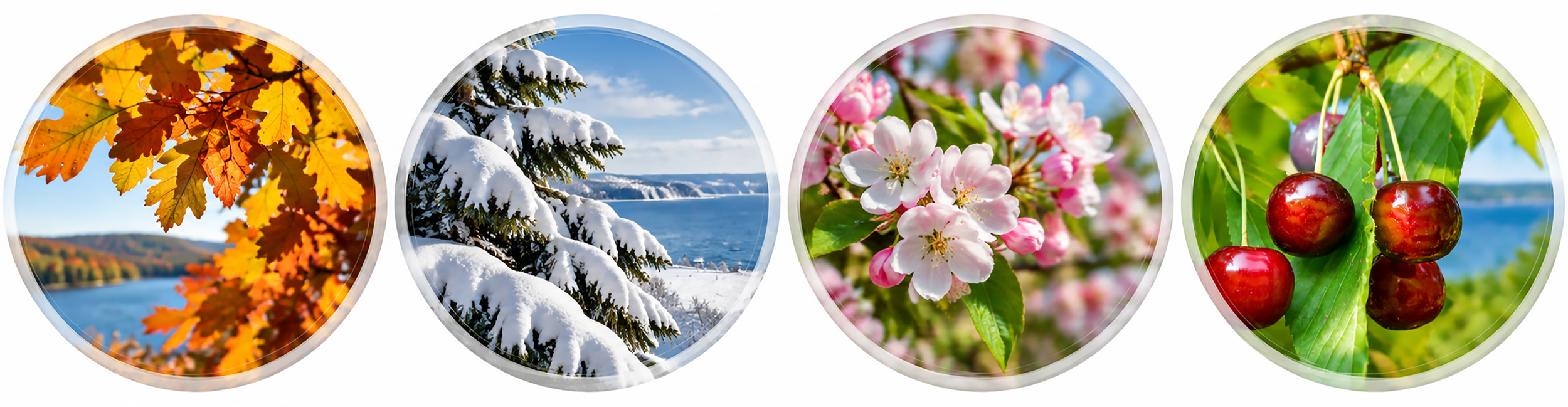
While you can’t control the weather, you can prepare for some of the challenges that come with it. Helpful year-round habits include:
Protecting yourself from UV exposure year round.
Dressing appropriately for temperature changes and keeping your body warm if you experience Raynaud’s.
Staying hydrated as recommended by your healthcare team.
Maintaining regular, appropriate physical activity.
Prioritizing sleep and allowing time for rest when your body needs it.
Keeping track of symptoms and possible triggers.
Taking medications as prescribed and discussing significant symptom changes with your healthcare provider.
Staying up to date on vaccinations recommended by your healthcare team, particularly if you take immunosuppressive medications.
With a little preparation, you can still get out and enjoy everything fall and winter in Michigan have to offer! 🍂❄️
Significant changes in your health should always be discussed with your healthcare provider.
This article is for educational purposes and is not a substitute for medical advice. Talk with your healthcare provider about changes in symptoms, medications, vaccines, supplements or your individual lupus treatment plan.
Sources: Perryman Rheumatology, Lupus Foundation of America, American Academy of Dermatology, Centers for Disease Control and Prevention and published research on seasonal variation in systemic lupus erythematosus.