
Lupus and Air Quality Alerts: What You Need to Know

Photo by Eric Hansen via mlive.com
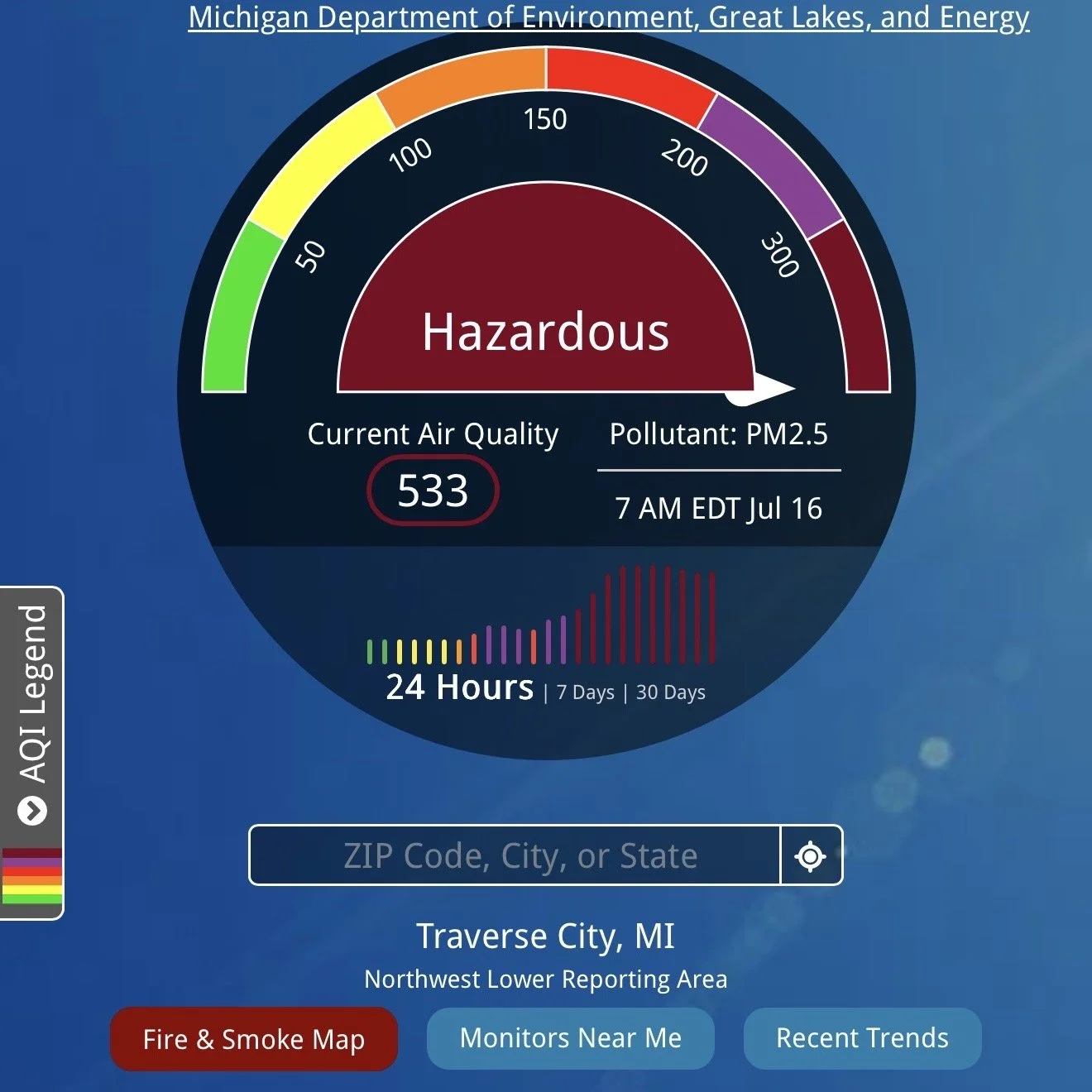
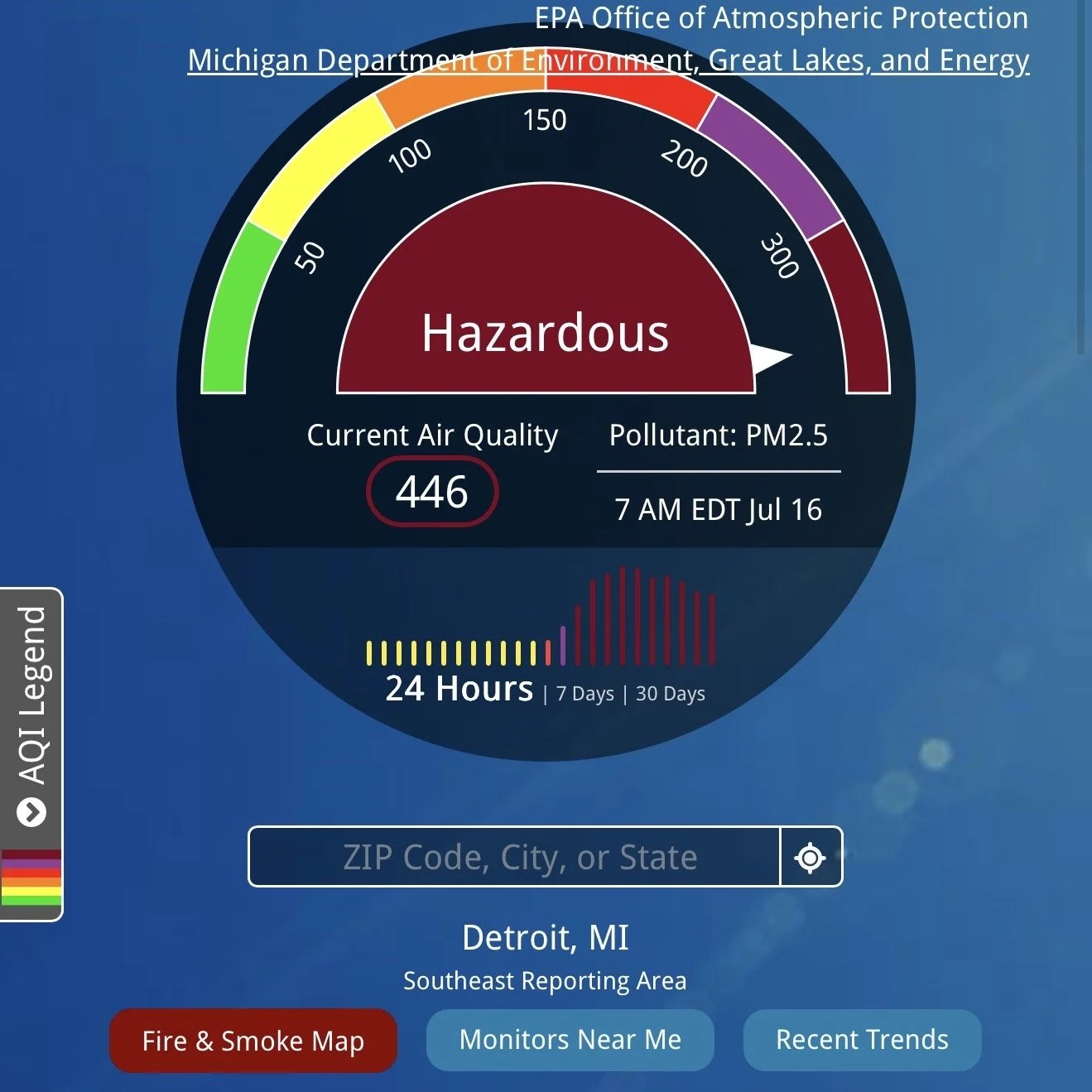
It's smoky across Michigan right now due to smoke drifting south from the Canadian wildfires. Wildfire smoke and other air pollutants can be especially harmful for people living with lupus by placing additional stress on an already overactive immune system. Data from the National Institute of Health suggests exposure to carbon monoxide and pollutants originating from biomass burning can increase disease activity in people with systemic lupus erythematosus (SLE). Even brief exposure can contribute to increased inflammation and may trigger or worsen lupus symptoms.
The Michigan Department of Health and Human Services advises residents to monitor air quality conditions in their area, adjust their level of physical activity and take protective measures when air quality is poor. It also recommends seeking shelter if you do not have air conditioning and it is too warm to stay indoors with the windows closed. Residents can call or text 211 or contact their local health department for information about shelters or nearby cooling centers. They can also seek relief in air-conditioned public places such as libraries or shopping malls.
When should lupus patients be extra cautious?
If the Air Quality Index (AQI) reaches:
51–100 (Moderate): Sensitive individuals, including many people with lupus, may begin noticing symptoms.
101–150 (Unhealthy for Sensitive Groups): Limit outdoor time and avoid prolonged physical activity.
151 or higher (Unhealthy): Stay indoors whenever possible and wear respiratory protection if you must go outside.
Why is wildfire smoke especially concerning for people with lupus?
It increases inflammation.
Wildfire smoke contains tiny particles called PM2.5 that can travel deep into the lungs and even enter the bloodstream. These particles trigger inflammatory chemicals throughout the body. Because lupus is an inflammatory autoimmune disease, this added inflammation may increase the risk of a flare.
It can trigger lupus flares.
Smoke exposure may worsen symptoms such as fatigue, joint pain and swelling, muscle aches, skin rashes, headaches and brain fog. Your body has to work harder when breathing polluted air. Combined with the inflammatory effects of smoke, many people with lupus notice significantly increased fatigue, even without a full disease flare.
It affects the lungs.
Many people with lupus already have lung involvement, including pleurisy, interstitial lung disease, pulmonary hypertension, asthma or other respiratory conditions. Wildfire smoke can irritate the airways, causing coughing, wheezing, chest tightness, shortness of breath and an increased risk of respiratory infections.
It may increase cardiovascular risk.
Lupus already raises the risk of heart disease, blood vessel inflammation, heart attacks and strokes. Fine particles in wildfire smoke have also been linked to cardiovascular problems, creating an additional concern for people living with lupus.
How to protect yourself:
When wildfire smoke is present:
Stay indoors as much as possible.
Keep windows and doors closed.
Run a HEPA air purifier, if available.
Set your HVAC system to recirculate indoor air.
Avoid strenuous outdoor exercise.
Wear a well-fitting N95 or KN95 mask if you must be outside.
Monitor local air quality using the Air Quality Index (AQI).
Drink plenty of water and continue taking your medications as prescribed.
Contact your healthcare provider if you develop persistent shortness of breath, chest pain or symptoms of a lupus flare.
Check your local air quality before heading outdoors. Visit AirNow.gov or use your favorite weather app to view the current Air Quality Index (AQI) for your area. When air quality is poor, taking simple precautions can help reduce your risk of a lupus flare.
Stay safe, warriors!