

Make Your Voice Heard
The Michigan Lupus Foundation is advocating to improve the patient experience with health insurance, medications and disability rights in the state of Michigan. We are actively engaged in advocacy efforts at both the federal and state levels by joining national and state coalitions to help improve the quality of life for those living with lupus. We encourage patients to share their own stories with their legislators to make their voices heard. Learn how you can help impact current legislation on the topics listed below that are affecting those with lupus.
Copay Accumulator Policies (S.B. 914)
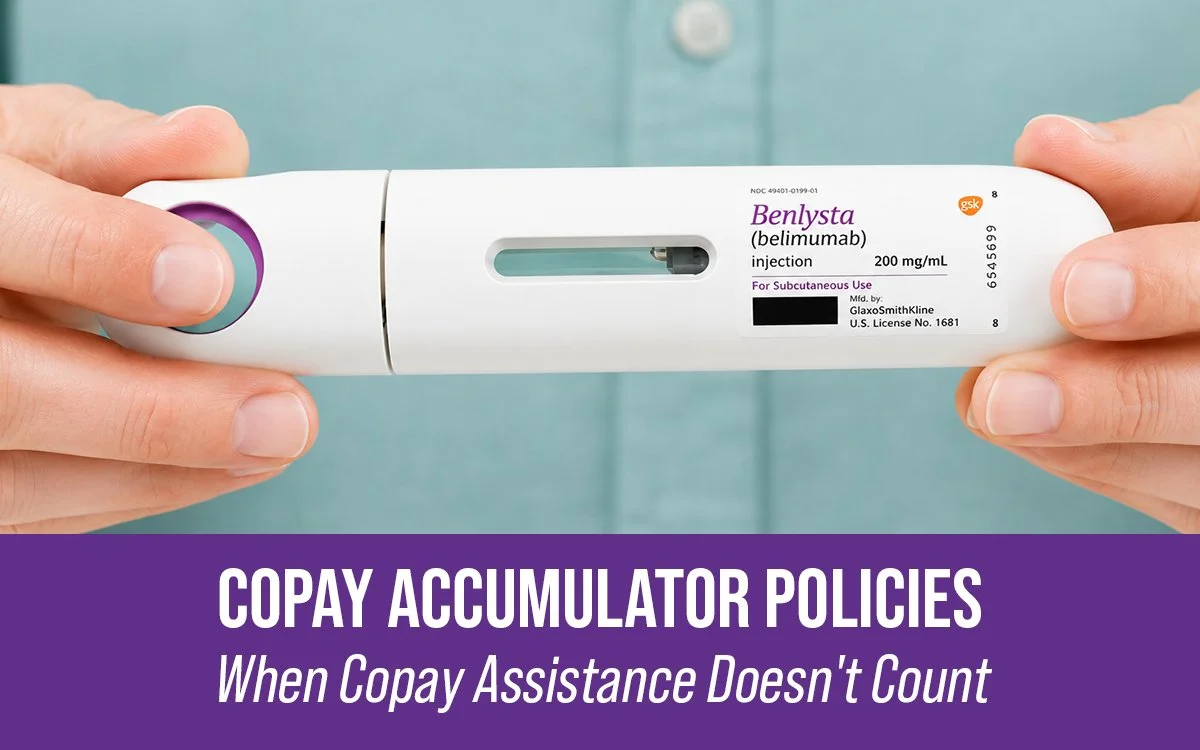
Many people living with lupus rely on specialty biologic medications such as Benlysta and Saphnelo, which can cost around $10,000 per month. To help patients afford these life-saving treatments, pharmaceutical manufacturers often provide copay assistance programs that cover some or all of a patient's out-of-pocket costs.
Under copay accumulator policies being implemented by some health insurance companies, insurance companies accept this financial assistance but do not count it toward the patient’s deductible or annual out-of-pocket maximum. Insurance companies and pharmacy benefit managers (PBMs) accept this financial assistance but do not count it toward the patient’s deductible or annual out-of-pocket maximum. As a result, once the copay assistance runs out, patients may suddenly be responsible for paying thousands of dollars themselves, even though assistance has already been paid on their behalf.
Many patients do not realize they are enrolled in a copay accumulator program until they arrive at the pharmacy and are told they must pay the full cost of their medication. This can lead to delayed treatment, skipped doses or abandoned prescriptions. AARP estimates that 28% of US patients 19 to 64 years old skip medications because of their costs. In Michigan, however, the problem is more severe, 32% of this population skips medications due to cost. For lupus patients, interruptions in treatment can result in disease flares, organ damage, hospitalization and long-term health complications.

Kimberly Dimond, Executive Director of the Michigan Lupus Foundation, has been living with lupus for over 20 years and has been personally impacted by copay accumulator policies. Since 2012, Dimond has relied on a biologic medication and copay assistance program to help afford her treatment. Suddenly in 2022, Blue Care Network adopted a copay accumulator policy.
“As a result, I was required to pay $32,000 out of pocket for this life-saving lupus medication. My total out-of-pocket medical expenses for the year totaled over $45,000, yet I make a very small non-profit salary and live in a single-income household,” Dimond said. “While I was fortunate to borrow funds from family, many patients do not have that option. When lupus patients stop taking their medications, they risk severe disease flares, organ damage and even death.”
Twenty-six states, plus Puerto Rico and Washington DC, have already outlawed these policies, but they remain active in the state of Michigan. Senator Stephanie Chang (District 3) recently introduced Senate Bill 914, which would protect Michigan patients by ensuring that all payments made by or on behalf of a patient count toward their deductible and out-of-pocket maximum. The bill would prevent insurers from effectively making patients pay their copays twice and would help preserve access to medically necessary treatments.
By passing SB 914, Michigan can reduce financial barriers to care and help ensure that patients living with lupus and other chronic illnesses can access the medications they need to stay healthy.
The Michigan Lupus Foundation is a member of the Michigan All Copays Count (MACC) Coalition. View our joint letter in support of Senate Bill 914 here.
Copay Accumulator Adjustments: What are they and how they can affect you? Here is a video by the National Bleeding Disorders Foundation.
If you have experienced copay accumulator tactics with Benlysta, Saphnelo or other specialty medications, please contact us here to learn how you can help.
Step-Therapy Prescription Practices (H.B. 5988)
Step therapy is a process by which insurers (public or private) require patients to take one or more alternative medications before they can access the original more expensive medicine prescribed by their provider. The protocol used by health insurance companies requires patients to "try and fail" on one or more lower cost medications before they will provide coverage for the medication originally prescribed. This policy is also known as “fail first” because it requires a patient to fail on an insurer-preferred, and more affordable, drug first. These decisions are based solely on cost and not on what’s best for the patient (as defined by the Crohn’s & Colitis Foundation).
When used inappropriately, step therapy protocols can delay necessary treatment and lead to adverse reactions that ultimately increase rather than lower health care costs. For patients living with chronic conditions like lupus, the inappropriate use of step therapy is particularly concerning as it can take years to find a diagnosis and a treatment that works.
The use of step therapy has increased to the level of needing state and federal laws to ensure these requirements do not interfere with appropriate care for patients.

The State of Michigan house of representatives introduced a step therapy bill (H.B. 5988), but like the copay accumulator legislation, it has since stalled on the floor. If you have experienced step therapy requirements with your prescribed medications, please contact us here to learn how you can help.
340B Drug Pricing Entity Protections
(H.B. 5350)

The 340B Drug Pricing Program is a federal program that requires pharmaceutical manufacturers that participate in Medicaid to sell outpatient drugs to organizations that care for uninsured or low-income patients at reduced prices. H.B.5350/S.1179 would allow 340B contract pharmacies to expand without guardrails.
This legislation would prohibit any restrictions over the expansion of 340B contract pharmacies in Michigan; allow large pharmacy benefit managers (PBMs) to continue to profit from broken aspects of the 340B drug discount program; and could lead to greater healthcare consolidation throughout the state, jeopardizing the viability of Michigan-based rheumatology practices.
The Michigan Lupus Foundation recently joined the coalition that supports federal 340B reform. While we appreciate the intent of proponents of this bill to improve healthcare access and affordability in Michigan, unfortunately, we feel HB 5350 is premature.
Advocacy Resources
The Lupus and Allied Diseases Association, Inc. (LADA) is an all-volunteer national patient advocacy organization dedicated to enhancing quality of life by enlightening and empowering individuals impacted by lupus and allied diseases and other conditions of unmet need to become proactive in their medical care. As a passion-driven charity led by people with lupus and their loved ones, we work to ensure that the patient stakeholder is included as an equal participant in the healthcare, regulatory and public policy arenas and across the research continuum. It is our goal to improve access to care and quality of life by fostering collaboration among stakeholders, promoting unity in the community and wielding the patient voice as a catalyst to advance innovative advocacy, education, awareness and biomedical research initiatives. Learn more about LADA’s latest Advocacy in Action.
The AIDS Institute Unchecked: Copay Accumulator Adjustment Policies in 2024. Report findings by state.
Stay in touch with your State of Michigan House and Senate Representatives to support lupus awareness and provide the patient voice for important legislation.
Stay in touch with your United States House and Senate Representatives to support lupus awareness and provide the patient voice for important legislation.